Water damage can be a homeowner's worst nightmare, particularly in areas like Mesa, Arizona, where the weather can be unpredictable. It is vital to understand that preventing water intrusion is far more manageable and cost-effective than dealing with the aftermath of flooding or moisture-related issues. This article explores effective waterproofing strategies specifically tailored for Mesa properties, focusing on both proactive measures and what to do should you encounter water damage.
Understanding Water Damage Risks
In Mesa, the risk of water damage can arise from several sources. Heavy rainfall, although infrequent, can lead to flash floods. Additionally, irrigation systems intended for landscaping sometimes malfunction or leak, contributing to excess moisture near foundations. Moreover, plumbing failures and even humidity from indoor activities can create an environment conducive to mold growth if not properly managed.
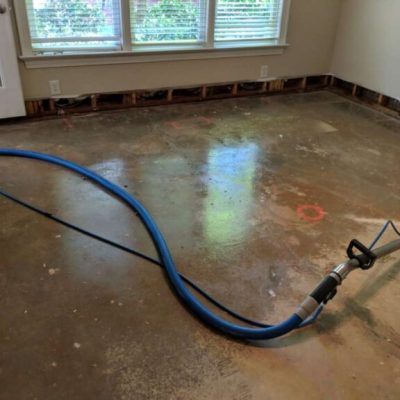
Homeowners must recognize these risks and take preventative action. The cost of neglecting these issues can escalate quickly; addressing a minor leak may only require some sealant today, but it could evolve into a significant repair bill if it leads to structural damage or extensive mold remediation.
Assessing Your Property
Before implementing specific waterproofing measures, it's crucial to evaluate your property’s unique vulnerabilities. Begin by https://claytonkiuy151.wpsuo.com/7-essential-questions-to-ask-your-water-damage-restoration-company conducting a thorough inspection of your basement and surrounding areas:
Foundation Cracks: Look for visible cracks in your foundation walls or floor. Even small fissures can lead to significant problems over time.
Drainage Systems: Examine your gutters and downspouts to ensure they are directing water away from the foundation effectively.
Landscaping: Assess whether the grading around your home directs rainwater away from the foundation rather than toward it.
Basement Walls: Check for any signs of dampness or efflorescence (white powdery substance) on walls which indicate moisture presence.
Windows and Doors: Ensure seals around windows and doors are intact to prevent water from seeping through during storms.
By identifying these potential issues early on, you can take targeted action before they develop into costly repairs.
Essential Waterproofing Strategies
Exterior Waterproofing Techniques
Investing in exterior waterproofing is one of the most effective ways to safeguard your home against water intrusion:
- Proper Drainage Systems: Ensure that gutters and downspouts are functioning correctly and divert rainwater away from your foundation by at least six feet. Consider installing extensions if necessary. French Drains: Installing a French drain system around your home’s perimeter can significantly reduce groundwater levels by redirecting excess water away from the foundation. Grading Adjustments: If your landscape slopes toward your house, consider regrading it so that it slopes away instead. This simple change can make a big difference in how water flows during heavy rains. Waterproof Coatings: Apply waterproof coatings or sealants on exterior walls below ground level. This creates an impermeable barrier against moisture infiltration. Sump Pumps: For homes particularly prone to flooding or groundwater penetration, installing a sump pump in the basement can provide peace of mind by pumping out any accumulated water before it becomes an issue.
Interior Waterproofing Methods
While external measures are critical, interior solutions also play an essential role in waterproofing:
- Sealants for Cracks: Use high-quality epoxy or polyurethane sealants to fill any cracks in basement walls or floors that might allow moisture entry. Vapor Barriers: Install vapor barriers on basement walls and floors to prevent moisture from permeating through concrete surfaces. Dehumidifiers: Utilize dehumidifiers in basements prone to humidity buildup. Keeping humidity levels under 60 percent helps deter mold growth. Insulation: Insulating basement walls will not only help with temperature control but also reduce condensation-related moisture accumulation on cooler surfaces.
These interior measures complement exterior efforts by creating multiple layers of defense against potential leaks or flooding events.
Regular Maintenance Checks
Waterproofing is not a one-time task; it requires ongoing attention:
Schedule seasonal inspections of exterior drainage systems after heavy rainfall or monsoon seasons.
Regularly clean gutters and downspouts; debris accumulation can lead to overflow during storms.
Check seals around windows and doors annually; replace caulking as needed.
Monitor indoor humidity levels using hygrometers; adjust dehumidifiers accordingly based on readings.
Inspect sump pumps regularly to ensure they are operational—test them monthly during rainy seasons.
Being diligent about maintenance helps catch small problems before they escalate into major headaches down the road.
What To Do When Water Damage Occurs
Despite our best efforts at prevention, sometimes water damage happens unexpectedly due to severe weather events or unforeseen plumbing issues. Knowing how to respond promptly is crucial:
Act Quickly: The sooner you address water intrusion, the better chance you have at minimizing damage.
Shut Off Utilities: If necessary, turn off power supplies in affected areas and shut off the main water supply if there’s a plumbing failure causing flooding.
Remove Items from Affected Areas: Move furniture, electronics, and personal belongings out of harm's way as soon as possible.
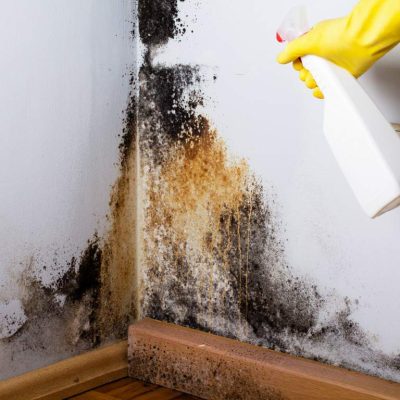
Dry Out Wet Areas Promptly: Use fans or dehumidifiers to dry out affected spaces quickly—time is critical in preventing mold growth which typically starts within 24 hours after exposure to moisture.
Contact Professionals: Engaging experts specializing in water damage restoration ensures that all affected areas are thoroughly dried out and treated appropriately—this includes addressing hidden issues behind walls where moisture may linger undetected.
If you find yourself searching for “water damage restoration near me,” companies like Bloque Restoration offer local expertise tailored specifically for Mesa residents facing such challenges.
Long-Term Planning
Long-term planning involves understanding local weather patterns alongside personal lifestyle choices that affect home maintenance:
Be proactive during storm season by checking forecasts regularly—anticipate heavy rains and prepare accordingly.
Consider investing in smart home technology—devices that alert you about potential leaks or abnormal humidity levels provide invaluable peace of mind while you're away from home.
Join community groups focused on home maintenance tips specific to Mesa conditions; knowledge shared among neighbors can often uncover additional resources available locally regarding construction codes or best practices suited for our arid climate interspersed with sudden moisture events.
Stay informed about changes in local regulations regarding flood zones as city planning evolves; knowing whether upgrades might become necessary will help mitigate future risks more efficiently than scrambling last minute when disaster strikes again unexpectedly!
By following these comprehensive strategies tailored specifically for Mesa properties’ unique characteristics concerning weather patterns alongside regular maintenance checks coupled with immediate response actions upon detecting signs indicating potential problems could save homeowners considerable time & money while safeguarding their homes' integrity long term!
Embracing an attitude centered around prevention rather than reaction empowers homeowners not just financially but also emotionally knowing their living environments remain secure amidst uncertain elements beyond anyone's control!
Bloque Restoration
1455 E University Dr, Mesa, AZ 85203, United States
+1 480-242-8084
[email protected]
Website: https://bloquerestoration.com